Blue Poppy Flower Watercolor & Illustrations
As a digital product creator who has spent years curating assets for Etsy, Creative Fabrica, and Shopify stores, I approach every new graphic design asset with a critical eye. My goal is always to determine if an illustration can translate into a profitable commercial design or if it will simply clutter my inventory. Recently, I evaluated the Blue Poppy Flower Watercolor to see how it performs in real-world selling scenarios. This piece immediately stood out for its specific mood and niche appeal, offering a blend of elegance and softness that resonates with buyers looking for feminine, rustic, or modern botanical aesthetics.
First Impressions and Market Appeal
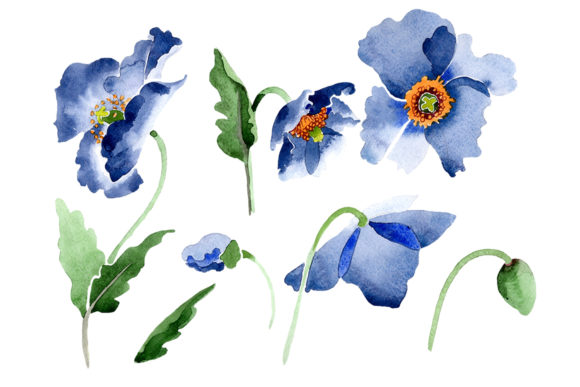
The first thing you notice about the Blue Poppy Flower Watercolor is its visual personality. Unlike stark vector graphics, this watercolor style brings a handmade, organic feel that is highly sought after in the current creative marketplace. The blue tones are sophisticated yet accessible, making it suitable for a wide range of audiences from nursery print collectors to boutique clothing brands. It does not feel overly festive or generic; instead, it exudes a premium quality that suggests high perceived value. For small business owners trying to establish a distinct brand identity, this type of illustration offers a unique way to stand out against competitors using standard clipart.
When considering the target audience, this asset appeals strongly to those seeking decorative layouts and emotional connection through art. It fits perfectly into collections focused on calmness, nature, and serenity. Whether you are targeting moms looking for nursery prints or designers creating social media graphics for wellness brands, the Blue Poppy Flower Watercolor provides a versatile foundation. Its watercolor texture adds depth that flat designs often lack, which is crucial for increasing click-through potential on crowded platforms like Etsy.
Real-World Product Applications
To truly understand the value of this digital download, I tested the Blue Poppy Flower Watercolor across various product categories. The versatility of this illustration allows it to function effectively as both a standalone element and part of a larger design bundle. Here is how it translates into sellable items:
- Printable Wall Art: The soft gradients work beautifully when scaled up for large format prints. It serves as a stunning focal point for minimalist home decor listings.
- Apparel and Merchandise: As a t-shirt design or tote bag print, the blue hues pop well on neutral fabrics. It also works exceptionally well for sublimation designs on mugs and tumblers, where the watercolor effect mimics hand-painted finishes.
- Digital Paper and Templates: I used the flower as a corner accent for Canva templates intended for wedding invitations and greeting cards. It adds a touch of class without overwhelming the text.
- Cricut and Sticker Projects: While primarily a raster image, the clean lines allow it to be traced for vinyl cutting projects, though this requires careful preparation. It also functions well as a sticker design for planners and journals.
- Packaging Design: For handmade businesses, this illustration elevates packaging design, turning simple boxes into branded experiences that customers want to share on social media.
Optimizing Product Presentation
A beautiful asset is only half the battle; how you present it determines your sales. When preparing listings for the Blue Poppy Flower Watercolor, I found that mockup previews were essential. Placing the illustration on realistic product mockups helped potential buyers visualize the final result. For instance, showing the flower on a ceramic mug or a linen pillowcase builds customer trust and clarifies the scale and color accuracy.
Thumbnail appeal is another critical factor. In a grid of hundreds of products, the vibrant blue of this watercolor draws the eye. However, to maximize this, I paired the asset with complementary fonts. A serif font worked best for a classic look, while a handwritten font enhanced the artistic vibe. Ensuring visual hierarchy in listing images helps guide the customer's attention to the most important details, reinforcing the professional quality of your shop.
Strategic Use Cases and Limitations
While the Blue Poppy Flower Watercolor is a powerful tool, it is not a one-size-fits-all solution. Understanding where this asset shines and where it struggles is vital for maintaining a high-quality catalog.
This illustration excels in large product previews and decorative layouts where the texture can be appreciated. It is ideal for themed bundles, such as a "Spring Botanical" collection, where multiple floral elements create a cohesive story. It also works wonders in digital downloads where high resolution is guaranteed, ensuring crisp edges and vibrant colors.
However, there are scenarios where caution is required. Do not use this asset for tiny sticker details where the watercolor texture might become muddy or indistinguishable. Overly complex layouts can make the flower get lost, so keep the surrounding design minimal. Additionally, avoid placing it on dark backgrounds unless you have adjusted the contrast, as the lighter blues may disappear. If you are planning a Cricut project requiring precise cut lines, remember that watercolors do not have natural vectors. You will need to trace the shape carefully to ensure clean cuts, otherwise, the edges may appear jagged on vinyl.
Practical Seller Notes for Success
Before publishing any listing featuring the Blue Poppy Flower Watercolor, I recommend a rigorous testing phase. First, verify the PNG transparency to ensure there are no unwanted white boxes around the flower. Check the file resolution to confirm it meets the requirements for print-on-demand services, which often demand 300 DPI or higher. Organize your files clearly for customers if you are selling the asset itself, naming layers and versions logically to reduce support tickets.
Always confirm the commercial license terms before selling finished products. Ensure you have the right to use the graphic in merchandise, templates, and marketing materials. Pairing the illustration with different font styles—serif, sans serif, script, or display—can help you test which combination sells best. Finally, preview the design on both white and dark backgrounds to see how the colors adapt. By taking these steps, you ensure that the Blue Poppy Flower Watercolor becomes a reliable pillar of your digital product line rather than a risky experiment.
Final Verdict for Digital Entrepreneurs
In conclusion, the Blue Poppy Flower Watercolor is a strong addition to any designer's library. It bridges the gap between artistic expression and commercial viability, offering a fresh alternative to overused stock photos. For Etsy sellers, print-on-demand entrepreneurs, and content creators, this asset provides the flexibility to create diverse, high-quality offerings. Whether you are building a seasonal collection, enhancing your brand identity, or simply looking for a new printable design, this illustration delivers. With proper testing and strategic application, it can significantly boost the professional appearance of your online shop and drive engagement with your target audience.