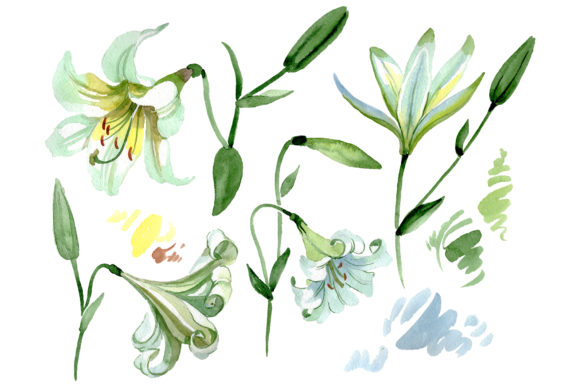
Branch of Orange Lilies Watercolor Review
As a designer who has spent years translating digital art into tangible thread, I approach every new machine embroidery design with a mix of excitement and skepticism. The gap between a beautiful pixelated image and a successful stitched product can be wide. Today, I am evaluating the Branch of Orange Lilies Watercolor, a piece categorized under Illustrations, to see if it holds up under the scrutiny of real-world application. This is not just about whether the file downloads correctly; it is about whether this specific floral motif will elevate your handmade products or cause frustration on the production floor.
The First Impression: Mood and Visual Weight
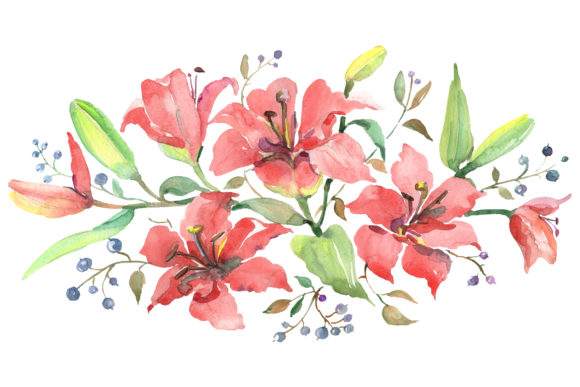
When I first opened the preview for the Branch of Orange Lilies Watercolor, the immediate reaction was one of warmth and organic flow. Unlike rigid, geometric botanicals, this design leans heavily into the softness of watercolor aesthetics. The orange hues suggest energy and cheerfulness, while the lily shapes provide an elegant verticality. For an Etsy seller or boutique owner looking to add a touch of nature-inspired charm to their inventory, this visual personality is compelling. It feels less like a generic clip-art flower and more like a curated illustration meant to tell a story.
However, the "watercolor" style presents a unique challenge in embroidery. In digital form, gradients are seamless. In thread, we rely on fill stitch density and color blending to mimic that effect. My initial assessment is that this design relies on moderate detail levels. It is not so intricate that it requires microscopic precision, but it is detailed enough that poor execution could muddy the petals. The layout suggests a balanced composition, making it versatile for various placements without feeling top-heavy or awkwardly skewed.
Testing the Design: A Real-World Scenario
To truly understand the potential of the Branch of Orange Lilies Watercolor, I imagined a specific project: a custom embroidered tote bag for a local coffee shop's seasonal collection. The goal is a reusable bag that feels premium yet affordable, featuring a design that pops against a natural canvas background.
In this scenario, the orange tones of the lilies would stand out beautifully against unbleached cotton. The flowing branch structure allows for a dynamic placement, perhaps angling the stem from the bottom corner upward, which guides the eye across the bag. If I were producing these as a small shop product, the design's clarity would be crucial. Customers expect crisp lines even at a distance. The Branch of Orange Lilies Watercolor seems robust enough to maintain its shape when scaled up to fit a large hoop, ensuring that the finished product looks professional rather than amateurish.
I also considered how this would translate to custom apparel, specifically a sweatshirt. On a textured fleece fabric, the watercolor effect might soften further, creating a vintage, worn-in look that many buyers love. However, this depends entirely on the stitch density. If the design is too dense, the fabric will pucker; too sparse, and the underlying texture will show through, ruining the illusion of paint. This is where the practical judgment of the embroiderer comes into play.
Navigating Fabric and Placement Challenges
While the design is promising, there are specific situations where the Branch of Orange Lilies Watercolor requires careful handling. Embroidery is a tactile medium, and not all surfaces play nice with delicate floral illustrations.
- Small Hoop Sizes: If you attempt to shrink this design to fit a tiny 4x4 inch hoop for a cap or a baby sock, the fine details of the lily petals may become indistinguishable blobs. The running stitch outlines could get lost, and the watercolor gradient effect will fail. Always check the minimum recommended size before scaling down.
- Textured and Stretchy Fabrics: On knits or heavy textures, the smooth curves of the watercolor style can distort. The fabric might pull during stitching, warping the elegant lines of the branch. Using the correct stabilizer is non-negotiable here. Without it, the finished product will look messy.
- Dark Backgrounds: While orange is vibrant, placing this design on black or navy fabric requires careful consideration of thread colors. You may need to increase the density of the fill stitches to prevent the dark fabric from showing through the lighter parts of the watercolor wash. Testing on scrap fabric is essential.
- Curved Surfaces: Embroidering on a baseball cap introduces curvature that can stretch the design. The long stems of the lilies might bow unnaturally if the machine isn't programmed with appropriate compensation.
Impact on Brand Value and Customer Perception
For creative entrepreneurs, every stitch counts toward brand perception. Using a high-quality embroidery file like the Branch of Orange Lilies Watercolor can significantly boost the perceived value of a handmade product. When a customer picks up a pillow cover or a kitchen towel with a well-executed floral design, they associate the quality of the stitching with the quality of your business.
This design offers a distinct advantage for those selling personalized gifts. The organic feel makes it suitable for wedding favors, nursery decor, or holiday embroidery projects. It feels thoughtful and artistic, distinguishing your work from mass-produced items found in big-box stores. However, this trust is fragile. If the thread colors bleed or the edges fray because the stabilizer was skipped, the customer's confidence in your craft evaporates instantly. The visual appeal of the design must be matched by technical precision.
Practical Designer Notes for Success
Before you commit to using the Branch of Orange Lilies Watercolor for commercial embroidery or digital product sales, follow these critical steps:
- Test on Scrap Fabric: Never skip the test run. Stitch the design on the exact fabric you plan to use. Check for puckering, thread breakage, and color accuracy.
- Review Stitch Density: Inspect the file settings. If the fill stitch is too tight, loosen it slightly to allow the fabric to breathe, especially for softer items like baby clothes.
- Confirm Hoop Size: Ensure your machine's hoop accommodates the full width of the branch without cutting off the tips of the leaves or flowers.
- Inspect Small Details: Zoom in on the petal edges. Are they defined by satin stitch or running stitch? Adjust tension accordingly to keep them sharp.
- Mockup Verification: Create printable mockups in both light and dark backgrounds to visualize how the design will look on different products before selling.
- Licensing Check: Verify the license terms. Can you sell finished items? Can you resell the digital file? Understanding the rights associated with this digital embroidery file protects your business from legal issues.
Final Verdict for the Craft Business
The Branch of Orange Lilies Watercolor is a strong contender for designers seeking to infuse their collections with warmth and artistic flair. It fits naturally into categories like tote bag designs, apron accents, and decorative home goods. Its success, however, hinges on the maker's ability to adapt the design to the physical constraints of the embroidery process. By respecting the limitations of fabric texture, hoop size, and stitch density, you can transform this illustration into a stunning finished product that delights customers and strengthens your brand identity. Whether you are a hobbyist making a personalized gift or a small business owner scaling up production, this design offers excellent potential when handled with care and expertise.