Reviewing Bouquet of Wild Flowers Watercolor Set
As a designer who has spent years translating digital art into tangible thread, I approach every new machine embroidery design with a mix of excitement and skepticism. The market is flooded with generic patterns, so finding a piece that truly captures a mood while remaining stitchable is rare. Recently, I evaluated the Bouquet of Wild Flowers Watercolor Set, an offering in the Illustrations category, to see if it holds up under the scrutiny of real-world production. This isn't just about pretty pictures; it's about how these designs translate from a screen to fabric, how they age after washing, and whether they can elevate a small business product line.
The First Impression: Capturing Softness in Thread
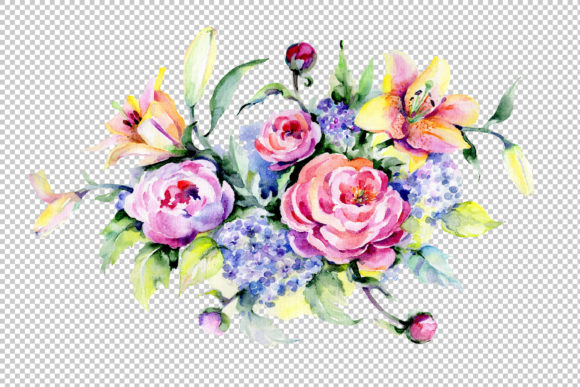
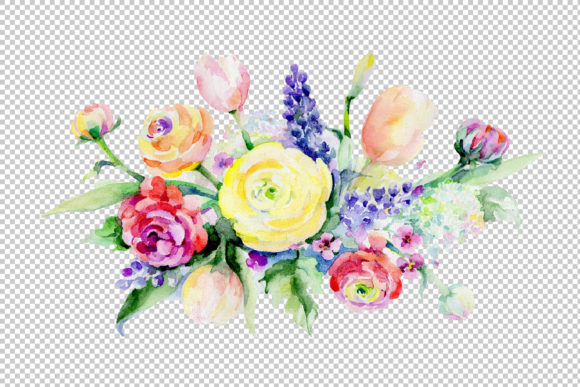
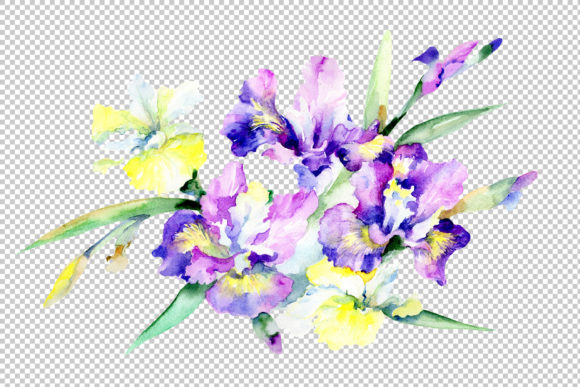
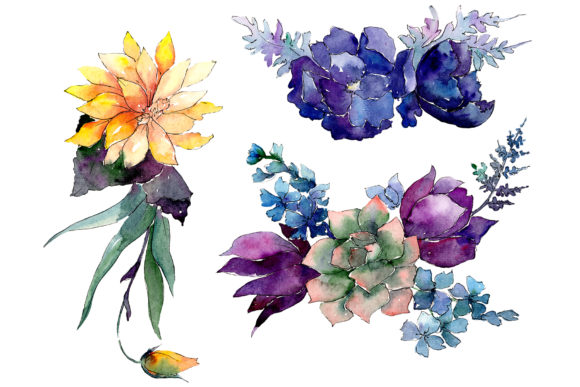
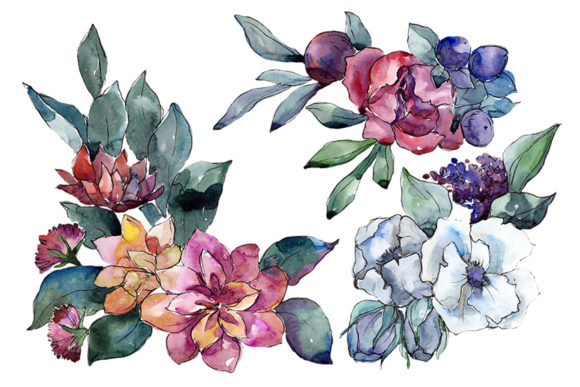
When I first opened the preview for the Bouquet of Wild Flowers Watercolor Set, the immediate reaction was one of nostalgia. The aesthetic leans heavily into the watercolor style, characterized by soft edges, blended hues, and a sense of organic movement. In the world of digital art, this is easy to achieve with gradients and brushes. In embroidery, however, replicating that fluidity requires careful manipulation of fill stitch and satin stitch techniques. The layout feels unstructured yet balanced, mimicking a hand-picked arrangement rather than a rigid geometric pattern.
This visual personality suggests that the design is not meant for bold, corporate branding or heavy industrial work. Instead, it screams "handmade," "boutique," and "personalized gift." It creates a mood of gentle sophistication, perfect for items where the customer expects a touch of artisanal care. For an Etsy seller or a creative entrepreneur looking to differentiate their shop, this kind of visual language is invaluable. It signals quality and thoughtfulness before the customer even touches the fabric.
Real-World Application: From Tote Bags to Nursery Decor
To truly test the viability of the Bouquet of Wild Flowers Watercolor Set, I imagined several specific projects. My mind immediately went to a custom embroidered tote bag. Imagine a sturdy canvas tote, perhaps in a natural oatmeal color, featuring this floral arrangement centered on the front. The soft, painterly look of the flowers would contrast beautifully with the rough texture of the canvas, creating a high-end feel without needing expensive hardware. This would be a standout item at a craft fair or a flagship product for a sustainable lifestyle brand.
I also considered its application in baby items. A onesie or a receiving blanket often needs something softer than bold cartoons. The delicate nature of this embroidery file makes it ideal for nursery decor. The pastel tones inherent in the watercolor style would likely pair perfectly with gender-neutral palettes, making it a versatile asset for parents seeking unique personalized gifts. Furthermore, for holiday embroidery, this set could be adapted for tea towels or aprons, adding a fresh, spring-like vibe even during winter months. The key here is the versatility; the design doesn't scream "Christmas" or "Valentine's Day," which means it has year-round commercial potential.
For apparel decorators, placing this design on a sweatshirt offers another avenue. However, because the design relies on detail to convey its watercolor effect, the placement matters. On a chest pocket or a sleeve, it adds a subtle accent. Placing it larger on the back requires ensuring the stitch density is managed correctly to prevent the fabric from puckering, especially on knit materials.
Navigating Challenges: Fabric, Density, and Detail
While the aesthetic appeal is high, a professional review must address the technical hurdles. The watercolor style often implies gradients and fading, which can be tricky in machine embroidery. If the thread colors are not carefully selected, the result might look muddy rather than blended. I would advise testing the design on scrap fabric first to check how the fill stitch interacts with the specific fiber content.
Texture is another critical factor. On highly textured fabrics like thick denim or chunky knits, the fine details of the wildflowers might get lost. The design works best on smoother surfaces like cotton blends, linen, or light wool. Additionally, using this on stretchy fabric requires a strong stabilizer. Without proper backing, the intricate petals could distort as the fabric stretches, ruining the illusion of a painted flower.
Another area requiring caution is the hoop size. While the full bouquet might require a large hoop, the individual elements within the Bouquet of Wild Flowers Watercolor Set might be adaptable for smaller hoops. However, shrinking the design too much can cause the details to merge, losing the distinct "wildflower" look. Always confirm the minimum recommended hoop size before attempting to resize the digital embroidery file.
Dark fabrics present a unique challenge. The watercolor effect often relies on white or very light threads to create highlights. On black or navy backgrounds, you may need to add a white underlay or consider an applique design approach where the base shape is cut out and stitched down first. This ensures the colors pop and the design remains visible against the dark background.
Design Judgment: Value, Trust, and Commercial Viability
Ultimately, the decision to use the Bouquet of Wild Flowers Watercolor Set comes down to the value it adds to your finished product. In the crowded marketplace of handmade goods, customers buy trust and aesthetics. A well-executed embroidery project using this design elevates a simple item into a collectible piece. It enhances the perceived value, allowing small shop owners to command higher prices for their custom apparel and home goods.
However, professionalism is paramount. Before listing items for sale, I recommend creating printable mockups to visualize how the design looks in different contexts. Test the design in black and white to ensure the contrast is sufficient. Check the licensing terms carefully; as a creator, you must know if you are allowed to sell the physical items you make with this commercial embroidery asset. Some licenses restrict the number of items you can produce, while others allow unlimited sales. Never assume; always verify.
For the hobbyist or the aspiring craft business owner, this set offers a chance to practice advanced stitching techniques. It challenges you to think about thread tension, layering, and color blending. But for the seasoned decorator, it provides a reliable asset that consistently delivers a beautiful, artistic result.
Final Thoughts for the Maker
The Bouquet of Wild Flowers Watercolor Set is more than just a collection of shapes; it is a tool for storytelling through thread. It invites makers to slow down, choose their fabrics wisely, and focus on the quality of the finish. Whether you are making a single embroidered patch for a friend or launching a line of boutique pillows, this design has the potential to resonate deeply with buyers who appreciate the beauty of the handmade.
Just remember the golden rule of embroidery: test, stabilize, and inspect. Don't rush the process. Take the time to adjust the thread colors to match your specific fabric batch. Ensure the stitch density is appropriate for the material. By treating the embroidery project with the same care the artist put into the original illustration, you will create a finished product that honors the design and delights your customers. This is how we build brands and communities around the art of making.