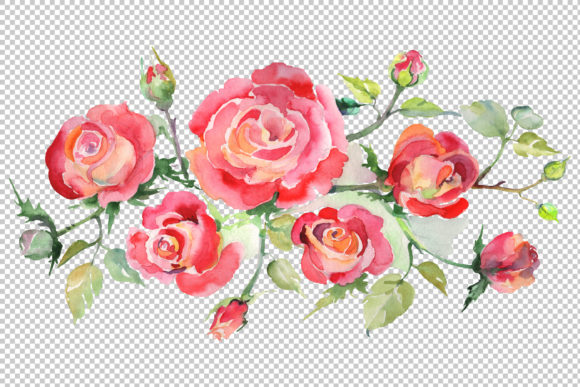
Reviewing Bouquet with Roses, Tulips, and Poppies Watercolor
As a designer who has spent years translating digital files into tangible stitched goods, I know that the leap from a screen to a finished product is where most projects succeed or fail. Today, I am evaluating Bouquet with Roses, Tulips, and Poppies Watercolor, a design categorized under Illustrations. My goal is not just to describe the image, but to dissect how this specific machine embroidery design behaves when you actually put it on a garment, patch, or home decor item. If you are an Etsy seller, a small shop owner, or a hobbyist looking to expand your catalog, understanding the practical application of this file is crucial before you commit thread and time.
The First Impression: Mood and Visual Personality
When I first opened the preview for Bouquet with Roses, Tulips, and Poppies Watercolor, the immediate feeling was one of soft elegance mixed with rustic charm. The watercolor aesthetic suggests a blend of colors rather than hard lines, which presents both an opportunity and a challenge in the world of embroidery. In the realm of Illustrations, this style stands out because it mimics the organic flow of paint. For a craft business aiming for a boutique feel, this design offers a distinct visual personality that separates it from the typical bold, cartoonish floral patterns often seen on custom apparel.
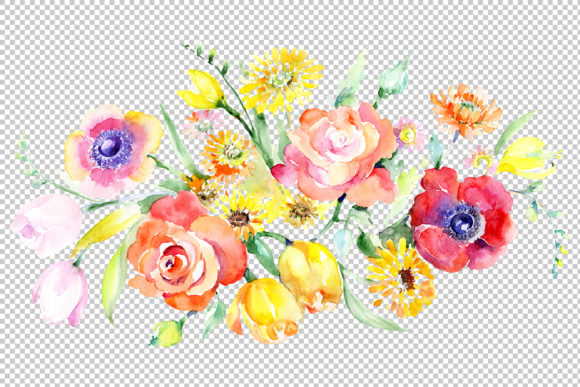
The layout features a balanced arrangement of roses, tulips, and poppies. This combination is timeless, yet the watercolor treatment gives it a modern twist. It feels less like a standard decorative accent and more like a piece of art intended to be the focal point of a project. Whether you are planning a holiday gift or a personalized gift for a wedding, the mood it sets is warm and inviting. However, the success of this look relies entirely on how well the stitch density and thread colors can replicate that painterly effect without becoming muddy.
Real-World Application: From File to Fabric
To truly understand the value of this embroidery file, let’s imagine a real-life scenario. Picture yourself preparing a collection of high-quality cotton tote bags for a spring craft fair. You want something that screams "handmade" and "artistic." Bouquet with Roses, Tulips, and Poppies Watercolor fits this brief perfectly. On a natural-colored canvas tote, the soft gradients implied by the watercolor style would likely translate beautifully into a mix of fill stitches and perhaps some strategic running stitch work to mimic brush strokes.
I have also considered using this design for sweatshirt embroidery. Placing this bouquet on the chest of a cream or light grey hoodie could elevate a basic garment into a premium boutique product. The scale of the flowers allows for enough detail to catch the eye from a distance while remaining legible up close. For baby embroidery, such as a onesie or a nursery blanket, the gentle nature of the flowers makes it a safe and appealing choice. Parents often look for designs that are sweet but not overly loud, and this illustration hits that mark.
For the digital product seller or the creator of printable mockups, this design asset is a strong contender. When you create a digital embroidery file listing, having a clear, artistic preview helps buyers visualize the final result. If you are selling these as part of a commercial embroidery package, the versatility of the bouquet ensures it appeals to a wide demographic, from those decorating kitchen towels to those creating embroidered patches for denim jackets.
Navigating Challenges: Where Caution is Needed
While the potential is high, experienced designers know that every design has its pitfalls. The watercolor style in Bouquet with Roses, Tulips, and Poppies Watercolor requires careful attention to detail. If you attempt to use this on thin fabric or stretchy material without the proper stabilizer, the intricate details of the petals may pucker or distort. The transition between colors in a watercolor effect relies heavily on precise stitch placement; if the fabric shifts even slightly during stitching, the illusion of blending can be lost.
Another area to watch is the hoop size. This design appears to have a moderate footprint. If you try to force it into a smaller hoop than recommended, you risk compressing the elements, making the tulips and poppies lose their definition. Conversely, on dark fabrics, the lighter tones inherent in a watercolor palette might struggle to show up unless you adjust the thread colors significantly. A black background could swallow the delicate shading unless you utilize a dense underlay or a different colorway strategy.
Furthermore, consider the texture of the fabric. On highly textured surfaces like thick fleece or heavy wool, the fine details of the rose petals might get lost in the nap of the fabric. This design shines best on smooth, medium-weight materials where the satin stitch and fill stitch can lay flat and crisp. If you are working on curved surfaces like caps, the distortion of the design must be calculated carefully to ensure the bouquet does not look warped once stitched.
Practical Designer Notes for Success
Before you finalize any order or start a batch production run, there are several steps I recommend taking to ensure Bouquet with Roses, Tulips, and Poppies Watercolor performs as expected. First, always test the design on scrap fabric that matches your final product. Check the thread color contrast against the background to ensure the watercolor effect remains visible. Review the stitch density settings; sometimes reducing the density slightly can help achieve that airy, painted look rather than a solid block of thread.
Confirm the hoop size requirements strictly. Do not guess. Inspect the small details in the flower centers and leaf veins to see if they hold up at the intended scale. It is also wise to test the design in black and white mockups to check the silhouette and balance before committing to expensive threads. Compare how the design looks on light versus dark fabric backgrounds, as the perception of the watercolor style changes drastically with contrast.
Finally, always use the proper stabilizer. For a design with this level of detail, a tear-away or cut-away stabilizer appropriate for the fabric weight is non-negotiable. Ensure you have confirmed the licensing terms before selling finished items or digital products containing this artwork. Whether you are an Etsy seller building a brand or a hobbyist making gifts, professional results come from preparation. By treating Bouquet with Roses, Tulips, and Poppies Watercolor with the respect it deserves as a complex illustration, you can create finished products that customers will trust and love.