Farm Animals Bull Watercolor: A Designer Review
When I first opened the file for Farm Animals Bull Watercolor, I wasn't just looking at a digital illustration; I was visualizing the final stitched product. As someone who has spent years navigating the gap between pixel-perfect graphics and the physical reality of thread, my immediate reaction is always about translation. How does this soft, artistic watercolor style survive the rigid structure of a machine embroidery design? The answer lies in how well the artist has anticipated the limitations and strengths of our machines.
This particular piece falls under the broad category of Illustrations, but that label only scratches the surface. What makes Farm Animals Bull Watercolor stand out is its potential to elevate simple items into boutique-worthy goods. It captures a whimsical, rustic charm that is currently trending in nursery decor and farmhouse-style home goods. However, before you rush to hoop it up for your next Etsy listing or client order, let's dig into how this design actually performs in a real-world scenario.
The First Stitch: Visual Impact and Mood
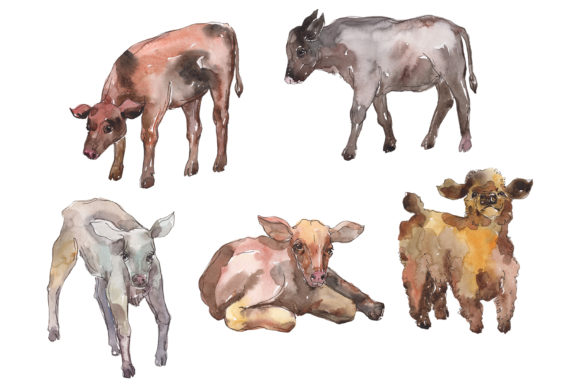
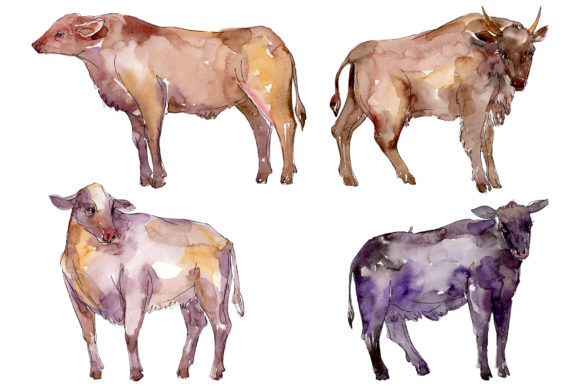
The mood here is undeniably gentle and organic. The bull isn't depicted as a fierce beast but rather as a playful, almost cartoonish character with soft edges and blended color gradients typical of watercolor art. For an embroidery project, this presents both an opportunity and a challenge. The "watercolor" effect relies heavily on the interplay of fill stitch and potentially some satin stitch outlining to define the shape without losing that painterly feel.
In a digital embroidery file, achieving this look requires careful attention to stitch density. If the density is too high, the fabric will pucker, ruining the soft aesthetic. If it's too low, the colors won't blend, and you'll see gaps that break the illusion of paint. My instinct tells me this design works best when the stitch directions are varied to mimic brush strokes, creating a textured surface that feels handmade even though it comes from a machine.
A Real-World Test: The Custom Tote Bag Scenario
Let's imagine a specific use case. You are a small business owner preparing a line of custom tote bags for a local farm-to-table market. You want something that appeals to parents and animal lovers alike. You decide to use Farm Animals Bull Watercolor on a natural canvas tote bag.
Here is where the practical judgment kicks in. Canvas has a distinct fabric texture that can sometimes eat up fine details. Because this design features a watercolor style, the edges might be slightly irregular. On a smooth cotton t-shirt, this would look intentional and artistic. On a coarse canvas, those same edges could appear jagged if the hoop size isn't large enough to allow the needle to move freely around the curves.
I would recommend testing this on a scrap piece of the exact canvas you plan to sell. Hoop the design with a heavy-duty stabilizer to ensure the fabric doesn't shift during the long run times required for detailed fills. When I visualize the finished product, the contrast of the colorful bull against the neutral canvas creates a focal point that screams "boutique." It transforms a generic grocery bag into a personalized gift or a branded item for a craft fair. Customers react to this level of detail because it signals quality; they aren't buying a cheap sticker, they are buying a textile artwork.
Navigating Challenges: Where Caution is Key
While Farm Animals Bull Watercolor is versatile, it is not a one-size-fits-all solution. There are specific scenarios where this design requires extra caution. First, consider small hoop sizes. Watercolor effects often need space to breathe. If you try to shrink this design down to fit on a baseball cap or a small patch, the delicate color transitions may become muddy. The subtle shading that gives the bull its character could turn into a solid block of color, losing the artistic intent.
Similarly, be wary of using this on stretchy fabric like jersey knits without the right backing. The tension required for a complex fill stitch can distort the fabric, making the bull look warped. Dark fabrics also pose a risk. Watercolor designs often rely on lighter base tones to create depth. Stitching this over black denim or navy sweatshirt material might require a significant amount of white underlay or a different thread palette entirely to maintain visibility. Always test your thread colors against your background before committing to a full production run.
Another area to watch is detailed corners and tiny lettering if the design includes text. In a watercolor style, sharp angles are rare, but if there are any, they can be tricky for the needle to navigate perfectly. Dense stitch areas in these corners can cause puckering, especially on thin fabrics. If you are planning to use this for holiday embroidery gifts or wedding gifts where perfection is expected, inspect the digitization closely.
Practical Notes for the Professional Maker
If you are serious about integrating Farm Animals Bull Watercolor into your catalog, here are my top recommendations for ensuring success:
- Test on Scrap Fabric: Never skip this step. Stitch the design on the actual material you intend to sell. Check for puckering, thread breaks, and color accuracy.
- Check Stabilizer Needs: Given the likely complexity of the fill stitches, a cut-away stabilizer is often safer than tear-away for garments that will be washed frequently.
- Review Color Counts: Ensure the number of thread changes is manageable for your workflow. Too many stops can slow down your production time for commercial embroidery.
- Mockup in Black and White: Before coloring, view the design in grayscale to check the value contrast. This helps you see if the shape holds up without relying solely on color.
- Licensing Verification: Before selling any finished product or offering this as a digital product, confirm the licensing terms. Some designs are for personal use only, while others allow for commercial sales of embroidered items.
Final Verdict: Value and Versatility
Ultimately, Farm Animals Bull Watercolor offers a strong value proposition for designers who want to add a touch of artistry to their work. It bridges the gap between mass-produced logos and hand-painted uniqueness. For an Etsy seller or a maker running a craft business, this type of design asset can significantly boost buyer engagement. It suggests a thoughtful, curated approach to design that resonates with customers looking for personalized gifts and unique home decor.
Whether you are creating custom apparel for a local event, designing baby embroidery for a nursery, or producing embroidered patches for a brand collection, this design has the versatility to adapt. Just remember that the magic happens in the execution. By respecting the nuances of the watercolor style—choosing the right hoop size, managing stitch density, and selecting appropriate fabrics—you can turn this digital file into a tangible masterpiece that stands out in a crowded marketplace.
As you prepare your next embroidery project, keep in mind that the best designs are those that respect the medium. Farm Animals Bull Watercolor respects the medium by embracing the texture of thread to mimic the flow of paint. With a little care and professional insight, it can become a staple in your portfolio, proving that even a simple animal illustration can carry the weight of a high-end, handmade brand.