Watercolor Steaks: A Designer's Stitch Review
As a designer who has spent years translating digital files into tangible, stitched reality, I approach every new machine embroidery design with a mix of excitement and skepticism. The gap between a beautiful screen preview and the final finished product can be wide. Recently, I pulled up the Watercolor Steaks file to evaluate its potential for my upcoming craft business line. This isn't just about whether it looks good on a monitor; it is about how it translates to fabric, thread, and the hands of the customer.
The Artistic Vibe and First Impressions
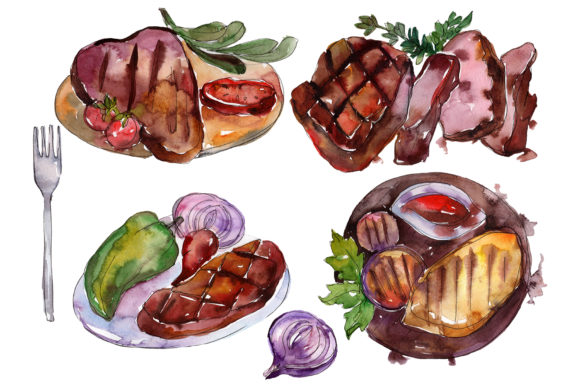
At first glance, Watercolor Steaks stands out in the crowded category of food-themed illustrations. It captures that trendy, soft aesthetic where bold subject matter meets delicate artistry. The concept of applying a watercolor wash to something as hearty as steak creates an immediate visual tension that is both playful and sophisticated. For an Etsy seller or boutique owner, this kind of design offers a unique hook. It moves away from the standard cartoonish food icons and leans into something more curated and modern.
The layout suggests a balance between organic shapes and defined edges. In the world of Illustrations, this style often relies on gradient effects to mimic paint bleeding into paper. When converting this to an embroidery file, the challenge lies in replicating that fluidity without creating muddy stitch areas. My initial assessment is that the design relies heavily on fill stitch variations to achieve those soft transitions, rather than relying solely on hard outlines. This is a smart choice for maintaining the artistic integrity of the piece.
Testing the Design in Real-World Scenarios
To truly understand the utility of Watercolor Steaks, I visualized it on a few specific projects I have on my production schedule. Imagine a high-quality canvas tote bag intended for a local farmers market. Placing this design on the front would instantly elevate the item from a generic carrier to a statement piece. The whimsical nature of the art appeals to a demographic that values artisanal goods, making it a strong candidate for a small shop product.
I also considered its application on custom apparel. A heavy cotton sweatshirt would provide the perfect textured backdrop for the soft gradients of the steaks. The contrast between the rugged fabric and the delicate watercolor effect would likely create a high-perceived value item. Furthermore, this design feels right at home as a decorative element on kitchen textiles. Think of an embroidered apron or a set of tea towels for a chef who appreciates humor and style. The theme fits seamlessly into holiday embroidery gifts, particularly for Father's Day or housewarming presents, where a touch of culinary flair is always welcome.
Stitching Clarity and Fabric Considerations
While the aesthetic is promising, practical execution requires careful planning. One area where Watercolor Steaks demands attention is stitch density. Watercolor effects often require layers of stitching to build up color depth. If the density is too high, especially on stretchy fabrics like jersey knit, the design could pucker or distort the garment. Conversely, if the density is too low, the "paint" effect might look patchy rather than blended.
Fabric texture plays a crucial role here. On a smooth linen or cotton blend, the design should render beautifully. However, on highly textured fabrics like terry cloth or thick fleece, the fine details of the watercolor wash might get lost. The interplay between the thread colors and the background fabric is also critical. To maintain the illusion of watercolor, you need a light background or a very carefully chosen dark fabric with high-contrast thread. Using this on a dark navy sweatshirt might require significant adjustments to the digital embroidery file to ensure visibility.
Navigating Potential Pitfalls
Every designer knows that not every design works everywhere. Watercolor Steaks is not a one-size-fits-all solution. I would advise against using this on extremely small hoop sizes. The subtle gradients and organic shapes need space to breathe. Compressing them into a 4x4 inch hoop might result in a loss of detail, turning the elegant illustration into a confusing blob of thread.
Similarly, curved surfaces like baseball caps present a challenge. The distortion caused by the cap curve can warp the soft lines of the watercolor effect, making the steaks look uneven. While it is possible to embroider this on a cap, it requires a skilled digitizer to adjust the underlay and pull compensation. For personalized gift items involving tiny lettering alongside the image, caution is needed. The intricate details of the steak illustration might compete with small text, reducing overall readability.
Durability is another factor. Products that undergo frequent washing, such as dish towels or baby clothes, need robust stitching. If the design relies on very fine running stitch details to define the watercolor edges, these threads may break down faster than heavier satin stitches. Always consider the lifecycle of the handmade product before committing to a complex design.
Practical Notes for the Professional Maker
If you are considering adding Watercolor Steaks to your catalog of design assets, follow these professional guidelines to ensure success:
- Test on Scrap Fabric: Never skip the test run. Stitch the design on the exact fabric you plan to use to check for puckering and color blending.
- Check Thread Contrast: Ensure the thread colors pop against the background. A muted design on a busy fabric will fail to capture attention.
- Review Stabilizer Needs: Because of the fill-heavy nature of watercolor styles, a strong cut-away stabilizer is often necessary to support the weight of the thread.
- Inspect Small Details: Zoom in on the file to see if any thin lines are too fragile for machine stitching. You may need to thicken certain elements manually.
- Mockup in Black and White: Before buying thread, view the design in grayscale to ensure the tonal values work without color bias.
- Verify Licensing: As a commercial embroidery user, confirm the license terms. Can you sell the finished tote bag design? Are there limits on production volume?
Final Verdict on Visual Appeal and Value
In conclusion, Watercolor Steaks is a versatile and charming addition to a designer's toolkit. It bridges the gap between fine art and functional decor, offering a fresh take on food-themed embroidery. When executed correctly on the right materials, it enhances the perceived value of a finished product significantly. Customers looking for unique, non-generic items will appreciate the effort and artistry involved.
For the craft business owner, this design offers a chance to differentiate their brand. It signals creativity and attention to detail. However, it requires a knowledgeable hand to manage the technical aspects of stitch density and fabric selection. By respecting the limitations of the medium and testing thoroughly, you can turn this embroidery project into a best-seller. Whether used for baby embroidery accessories, kitchen linens, or custom apparel, the charm of the watercolor aesthetic remains timeless, provided the stitching quality matches the beauty of the original illustration.